
Blog / / 2 min read
Are solar shingles the future of residential roofing?
Building-integrated solar shingles combine durable weather protection with clean energy generation in a single seamless design. Understanding how this emerging technology compares to traditional roofing helps homeowners evaluate whether it fits their property.
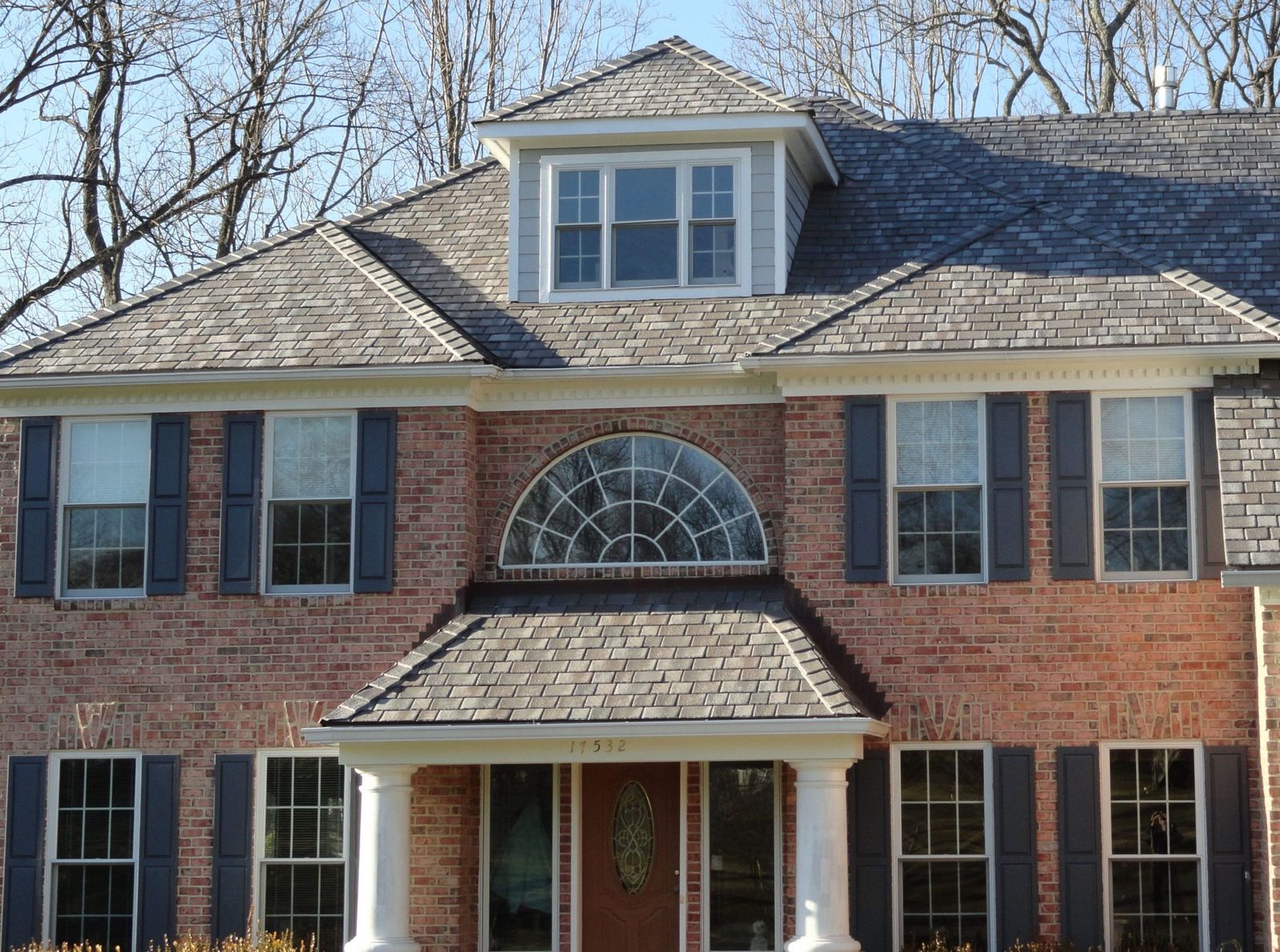
The concept of building-integrated solar roofing
For decades, residential solar installations required mounting large, bulky photovoltaic panels on metal racks drilled through existing asphalt shingles. While effective at producing electricity, traditional panels often compromise curb appeal and create potential roof leak penetration points. Solar shingles represent an innovative alternative: solar cells embedded directly into durable tempered glass roofing tiles that blend naturally with standard architectural shingle profiles.
Aesthetic advantages and curb appeal
The most obvious advantage of solar shingles is their streamlined appearance. From the street, the roof looks cohesive, resembling high-end slate, textured shake, or modern flat shingles. Homeowners in subdivisions with strict Homeowners Association (HOA) architectural guidelines frequently favor integrated solar shingles because they maintain the neighborhood's visual standards without the industrial appearance of elevated panel racks.
Durability and impact resistance
Solar roofing tiles are engineered using high-strength tempered glass designed to be efficient, lightweight, durable, and impact resistant. In many cases, the tempered glass outer shell proves resilient when subjected to falling branches or seasonal weather in Maryland.
Cost factors and investment timeline
While solar shingles offer undeniable visual appeal, cost remains a primary consideration for homeowners. The initial investment for an integrated solar roof is considerably higher than installing premium architectural asphalt shingles. However, when evaluating the cost, homeowners must consider two factors: the expense of a brand-new roof combined with the lifetime power generation savings of a photovoltaic system, along with federal clean energy tax credits and state incentives.
Practical considerations for Maryland homes
Before committing to solar shingles, homeowners should evaluate their property's specific orientation and surroundings. Solar roofing requires unobstructed sunlight, making it less practical for homes shaded by mature trees or with complex rooflines featuring numerous dormers and valleys. Additionally, solar shingles are best installed when your existing roof is already due for total replacement. If your existing asphalt roof has another 15 years of useful life, replacing it early with solar shingles rarely makes financial sense.
Making an informed roofing decision
As solar shingle technology matures and manufacturing scales up, it will become an increasingly viable option for Maryland residents. Consulting with a licensed local roofing contractor allows you to inspect your current roof condition and choose the most cost-effective solution for your home's long-term protection. Dan Cox and On Top Home Improvements help homeowners evaluate all roofing options across Montgomery, Frederick, and Howard counties.
Professional roofing standards and manufacturer warranty protection
Adhering to strict manufacturer installation specifications is essential to keep shingle warranties fully valid. In Maryland, residential roofs endure harsh weather fluctuations, from winter freeze-thaw cycles and heavy snowpack to humid summer thunderstorms with high wind gusts. At On Top Home Improvements, owner Dan Cox and our experienced roofing specialists ensure every installation includes complete tear-off down to bare sheathing, inspecting plywood decking, installing self-adhering ice and water shield along eaves and valleys, applying aluminum drip edge, and installing continuous ridge ventilation for balanced attic airflow across Damascus, Frederick, Silver Spring, and Columbia homes.