
Blog / / 2 min read
Avoid expensive roof repairs caused by winter damage
Freezing winter temperatures, heavy snow accumulation, and ice dams take a heavy toll on Maryland roofs. Conducting a thorough spring inspection catches minor seasonal wear before it turns into severe interior water damage.
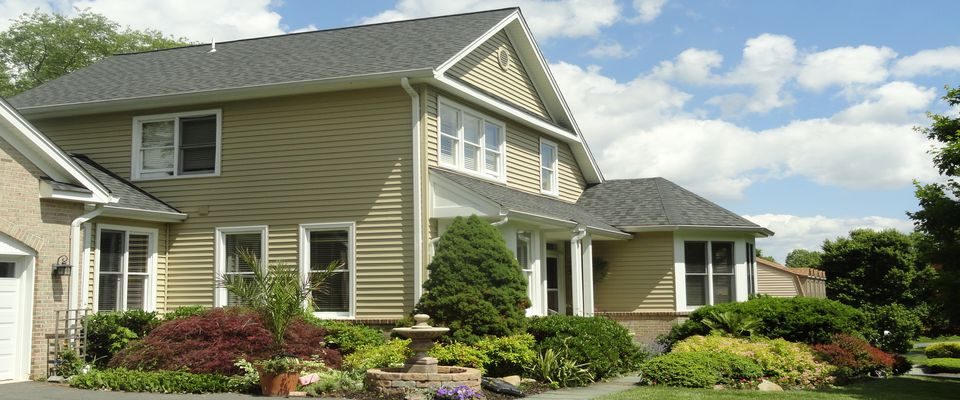
How winter weather degrades residential roofing
Maryland winters subject residential roofs to repeated freeze-thaw cycles, heavy snow loads, and wind-driven sleet. When temperatures fluctuate around the freezing point, melting snow seeps into small cracks and gaps under shingles. As temperatures plummet overnight, this trapped moisture expands into ice, lifting shingles, loosening fasteners, and breaking protective sealants. Over a single winter, small vulnerabilities can expand into serious leak paths.
Key areas to inspect after winter weather
Spring is the optimal time to evaluate how well your roof held up through the winter months. An exterior inspection should focus on several critical components:
- Asphalt shingles: Look for cracked, curled, buckled, or missing shingles, as well as excessive granule loss that leaves the asphalt base exposed to UV degradation.
- Roof valleys: Because valleys channel the greatest volume of water runoff and snowpack, underlayment and valley flashing are especially vulnerable to ice wear.
- Flashing around roof penetrations: Inspect metal flashing around chimneys, plumbing vent stacks, exhaust vents, and skylights for loosened sealant or rust.
- Gutter troughs and downspouts: Ice accumulation often pulls gutter brackets loose from the fascia, bends aluminum troughs, or loosens downspout joints.
- Soffits and fascia: Check wood and aluminum trim for water stains, peeling paint, or rotted wood caused by ice dam overflow.
Checking your attic for hidden water intrusion
An exterior visual check tells only half the story. Inspecting your attic provides immediate evidence of whether winter moisture penetrated your roof deck. Check the underside of the plywood sheathing for dark moisture stains, white mineral rings, or early mold growth. Inspect fiberglass or cellulose insulation to ensure it is fluffy and dry; compressed or damp insulation confirms an active leak that requires prompt repair.
The financial benefits of early spot repairs
Addressing minor winter wear promptly is significantly more affordable than deferring repairs until summer thunderstorms arrive. Replacing a cracked vent pipe collar, resealing flashing, or replacing a handful of damaged shingles costs a fraction of the structural repair and mold remediation required once water damages ceilings and drywall.
Scheduling a professional spring roof evaluation
A professional inspection by a trusted Maryland contractor ensures every component of your roof system, from flashing details to attic ventilation, is sound and ready to protect your home through the upcoming storm season. Dan Cox and On Top Home Improvements provide honest, thorough spring evaluations for homeowners in Damascus, Frederick, Silver Spring, and Columbia.
Professional roofing standards and manufacturer warranty protection
Adhering to strict manufacturer installation specifications is essential to keep shingle warranties fully valid. In Maryland, residential roofs endure harsh weather fluctuations, from winter freeze-thaw cycles and heavy snowpack to humid summer thunderstorms with high wind gusts. At On Top Home Improvements, owner Dan Cox and our experienced roofing specialists ensure every installation includes complete tear-off down to bare sheathing, inspecting plywood decking, installing self-adhering ice and water shield along eaves and valleys, applying aluminum drip edge, and installing continuous ridge ventilation for balanced attic airflow across Damascus, Frederick, Silver Spring, and Columbia homes.