
Blog / / 3 min read
Why roof repair claims get denied without ordinance or law coverage
When storms damage your roof, standard homeowners insurance may only cover replacing existing materials, leaving you responsible for costly mandatory building code upgrades. Understanding Ordinance or Law coverage protects your wallet.
The real-world scenario of a code-related insurance dispute
Consider a common scenario faced by Maryland homeowners: a severe windstorm or hail event damages your roof, and your insurance company approves a claim to repair or replace the damaged shingles. However, when the roofing contractor applies for the local building permit, the county building inspector requires several upgrades to bring the roof into compliance with current residential building codes.
These required upgrades frequently include installing continuous ice and water shield membranes along the eaves and valleys, adding aluminum drip edge along all roof edges, replacing sidewall step flashing, and upgrading attic ventilation. If your standard homeowners policy covers only the cost of restoring what was originally there, the insurer may refuse to pay for these code-mandated upgrades, leaving you to pay the difference out of pocket.
What is ordinance or law coverage?
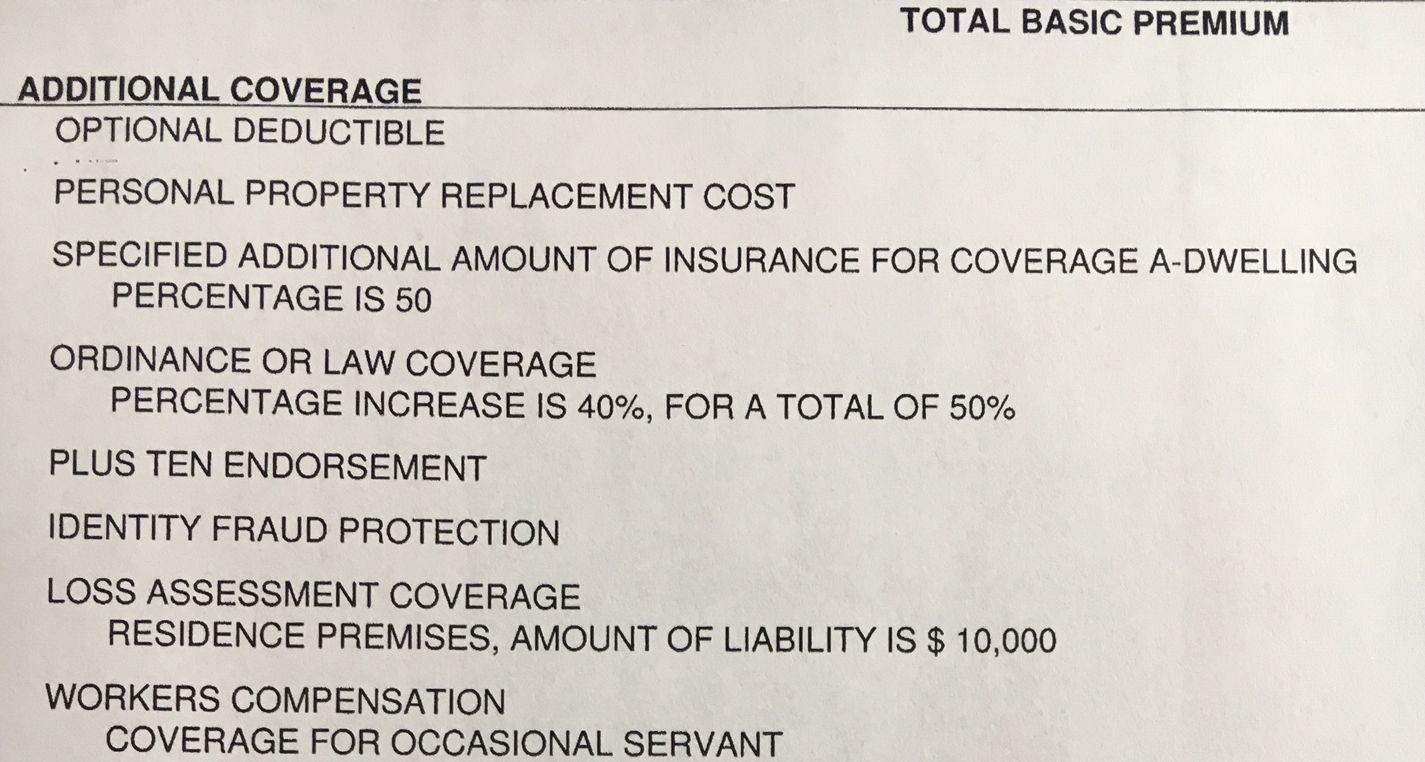
Ordinance or Law coverage is an endorsement on your homeowners insurance policy that pays for the increased cost of construction required to comply with local building codes, ordinances, and laws when repairing or rebuilding after a covered loss. Without this endorsement, any difference between older building standards and modern codes comes directly out of your pocket.
How building codes evolve over time
Building codes in Maryland and across the nation are regularly updated to improve home safety, energy efficiency, and storm resilience:
- Ice barrier protection: Modern codes require self-adhering polymer modified bitumen underlayment along eaves to protect against ice dams, a requirement that did not exist decades ago.
- Drip edge requirements: Building codes now mandate metal drip edges along eaves and rakes to protect underlying wood decking from moisture decay.
- Fastener specifications: Updated codes specify precise nail counts and penetration depths to ensure wind resistance during severe storms.
- Ventilation standards: Current codes require balanced attic ventilation ratios to prevent moisture damage and premature shingle failure.
Reviewing your policy before storms hit
Contact your insurance agent to verify whether your policy includes Ordinance or Law coverage, and at what percentage of your dwelling coverage (often 10%, 25%, or 50%). Adding this coverage is typically very inexpensive, yet it can save you thousands of dollars if you ever need to replace your roof after a storm.
Working with a knowledgeable roofing contractor
An experienced local roofing contractor understands current county building codes and works directly with insurance adjusters to ensure all required code compliance items are clearly documented and properly accounted for in your claim. Dan Cox at On Top Home Improvements assists homeowners across Montgomery, Frederick, and Howard counties with code-compliant storm damage assessments.
Professional roofing standards and manufacturer warranty protection
Adhering to strict manufacturer installation specifications is essential to keep shingle warranties fully valid. In Maryland, residential roofs endure harsh weather fluctuations, from winter freeze-thaw cycles and heavy snowpack to humid summer thunderstorms with high wind gusts. At On Top Home Improvements, owner Dan Cox and our experienced roofing specialists ensure every installation includes complete tear-off down to bare sheathing, inspecting plywood decking, installing self-adhering ice and water shield along eaves and valleys, applying aluminum drip edge, and installing continuous ridge ventilation for balanced attic airflow across Damascus, Frederick, Silver Spring, and Columbia homes.