
Blog / / 2 min read
How to prevent home water damage caused by excessive rainfall
Heavy rainfall and intense seasonal storms can overwhelm residential drainage systems, leading to basement seepage and foundation erosion. Discover practical strategies to manage stormwater runoff and protect your property.
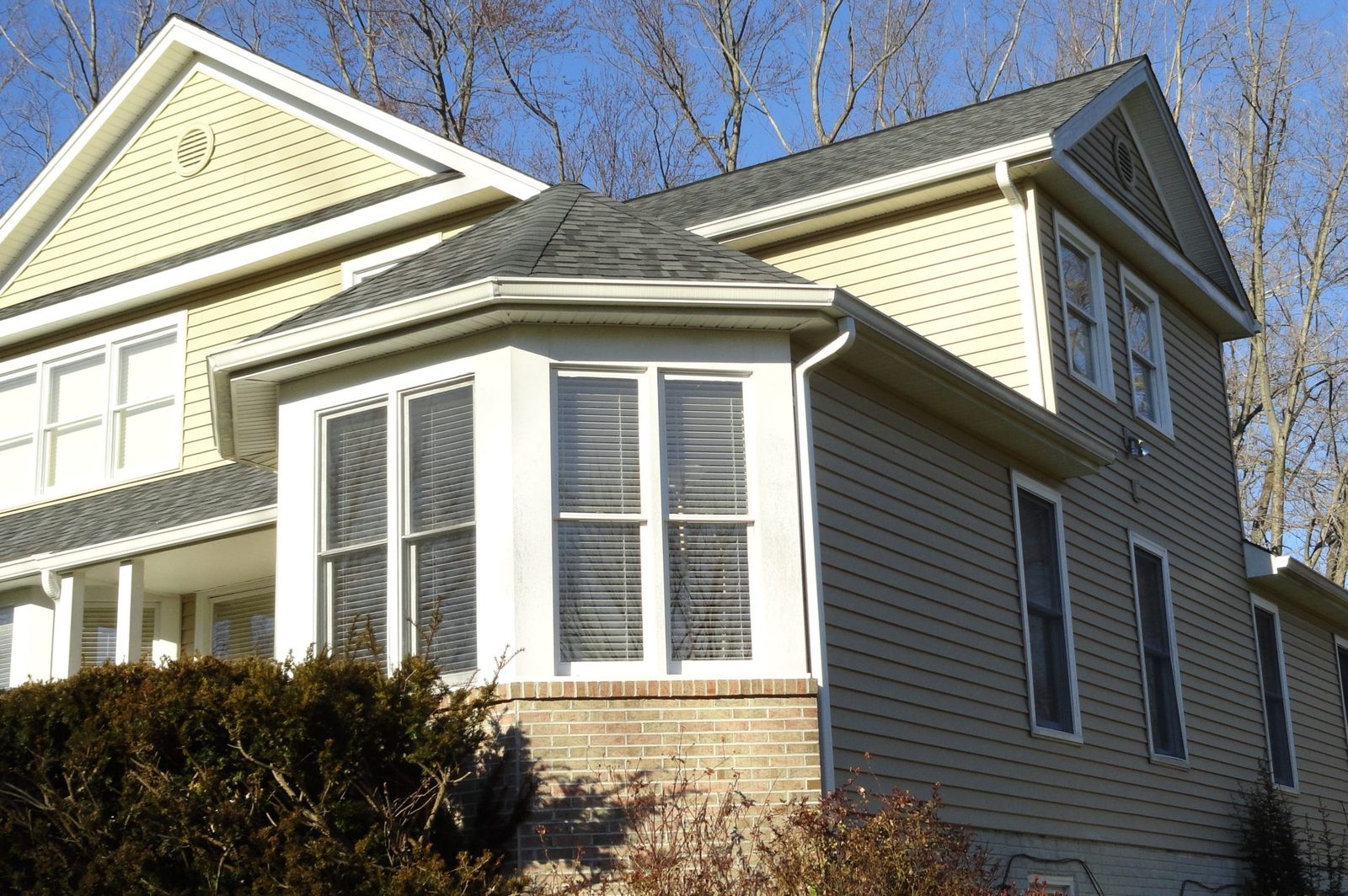
Understanding stormwater risks for Maryland homeowners
Maryland frequently experiences periods of relentless precipitation, saturated ground, and sudden thunderstorm cloudbursts that dump inches of water in just a few hours. When hundreds of gallons of water rush off your roof with nowhere to go, it pools against foundation walls, seeps into basements, and destabilizes landscaping. Protecting your home requires managing this water runoff effectively from the roofline down to the yard grade.
Ensuring proper ground slope and grading
The grade of the soil surrounding your home represents your primary defense against basement water seepage. Soil must slope away from foundation walls at a downward pitch of at least 6 inches over the first 10 feet. Over time, landscaping settles and mulch beds build up, creating reverse grades that trap water against the foundation. Re-establishing a positive slope directs surface water safely away from basement walls.
Upgrading to seamless gutters with adequate capacity
Your gutter system is responsible for catching all water flowing off your roof and directing it away from your home. Standard 5-inch sectional gutters frequently overflow during torrential downpours or get blocked at leaky seam joints. Upgrading to 6-inch seamless aluminum gutters increases water-carrying capacity by approximately 40%, accommodating heavy rain without spilling over onto foundation plantings.
Extending downspouts away from foundation walls
A common mistake homeowners make is allowing downspouts to empty directly at the corners of the house. Dumping concentrated streams of roof water right next to foundation footings leads to basement leaks and soil settling. Downspouts must extend a minimum of 5 to 10 feet away from the foundation, discharging onto splash blocks, into swales, or through buried PVC pipes that exit at daylight or pop-up emitters.
Maintaining gutters and clearing clogs
Even large gutters fail if they are choked with leaves, twigs, and roofing granules. Clean gutters thoroughly every spring and fall, or invest in quality gutter protection systems that keep water flowing freely while preventing debris accumulation.
Basement sump pump and window well maintenance
Check basement window wells to ensure drains are free of leaves and install clear, durable window well covers to prevent rainwater from accumulating. Test your basement sump pump before storms arrive, and consider installing a battery backup system to keep the pump operating during electrical power outages.
Protecting your home from the roof down
Managing stormwater requires a comprehensive approach that connects sound roofing, heavy-gauge seamless gutters, proper downspout extensions, and positive yard grading to keep your home dry through any weather.
Seamless gutter engineering and stormwater protection
Seamless aluminum gutters custom-extruded on-site provide continuous, leak-free drainage along your entire roofline. Unlike older sectional gutters that pull apart and leak at joint seams, seamless troughs channel heavy rain runoff smoothly away from your home. Paired with heavy-duty hidden hangers screwed securely into solid fascia boards and downspouts discharging water at least 5 to 10 feet from foundation walls, modern seamless gutters protect your basement, masonry foundation, and landscaping from expensive water damage.