
Blog / / 3 min read
What causes ceiling water stains and how to resolve them
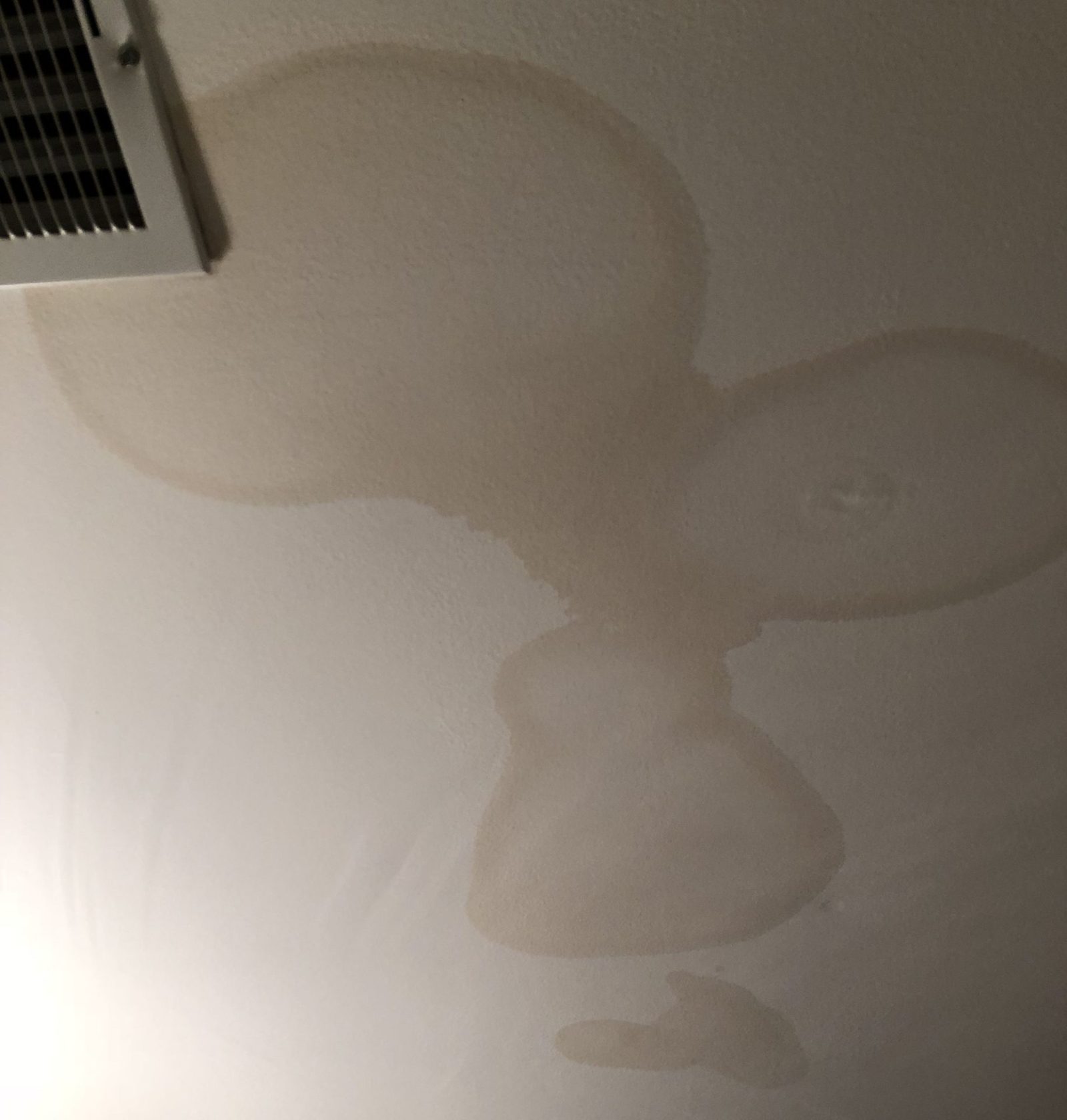
Noticing a brown, discolored ring or bubbling paint on your ceiling is a clear warning sign of water intrusion. Identifying the root cause quickly prevents extensive drywall damage, structural wood rot, and mold growth.
Why ceiling stains demand immediate attention
Water stains on a drywall or plaster ceiling never happen without a reason, and they never resolve themselves. By the time water seeps completely through insulation and drywall to leave a visible brown or yellow stain on the painted surface, moisture has often been accumulating for days or weeks. Simply painting over the stain with primer hides the symptom while allowing wood rot, rusted fasteners, and toxic mold spores to spread out of sight.
Determining whether the leak originates from the roof or plumbing
When investigating a ceiling stain, the first step is determining the source of the moisture. Timing provides valuable clues:
- Weather-related stains: If the stain appears or worsens during or shortly after heavy rain, melting snow, or high-wind storms, the problem almost certainly originates from your roof or exterior flashing.
- Plumbing-related stains: If the stain grows consistently regardless of the weather, or if it sits directly beneath a second-floor bathroom, laundry room, or kitchen, inspect supply lines, tub drains, and toilet wax rings.
- HVAC-related stains: During hot summer months, clogged air conditioning condensate drain pans in the attic frequently overflow, leaking water directly through the ceiling below.
Common roof-related leak sources
Because water travels along rafters, trusses, and ceiling joists before dropping onto drywall, the entry point on the roof is rarely directly above the ceiling stain. An experienced roofing professional looks for several frequent culprits:
- Plumbing vent pipe collars: The rubber gasket or boot surrounding plastic vent pipes degrades and cracks after years of UV exposure, allowing rainwater to run down the pipe into the ceiling.
- Chimney flashing failure: Rusted step flashing, loose counter-flashing, or cracked chimney crowns permit rainwater to penetrate around the masonry chimney structure.
- Valley flashing and shingle transitions: Roof valleys channel heavy water volumes, making worn valley shingles or damaged underlayment a frequent leak source.
- Blown-off or damaged shingles: Wind-damaged shingles or exposed roofing nails allow water to penetrate the wooden roof deck.
The importance of inspecting the attic space
Entering the attic with a high-powered flashlight helps trace water paths. Look for dark streaks along rafters, damp insulation, or rusted nails protruding through the roof deck. Locating the exact entry point ensures repairs solve the problem permanently rather than guessing from the outside.
Professional repair and restoration
An honest, experienced contractor will accurately diagnose the leak source and provide a targeted repair, whether it involves replacing a five-dollar rubber boot collar, rebuilding chimney flashing, or performing spot shingle repairs, saving you money while keeping your home dry.
Professional roofing standards and manufacturer warranty protection
Adhering to strict manufacturer installation specifications is essential to keep shingle warranties fully valid. In Maryland, residential roofs endure harsh weather fluctuations, from winter freeze-thaw cycles and heavy snowpack to humid summer thunderstorms with high wind gusts. At On Top Home Improvements, owner Dan Cox and our experienced roofing specialists ensure every installation includes complete tear-off down to bare sheathing, inspecting plywood decking, installing self-adhering ice and water shield along eaves and valleys, applying aluminum drip edge, and installing continuous ridge ventilation for balanced attic airflow across Damascus, Frederick, Silver Spring, and Columbia homes.