
Blog / / 2 min read
How to detect and prevent dangerous mold in your attic
Attic mold is a widespread but frequently unnoticed problem in Maryland homes. Warm, humid air trapped by inadequate ventilation creates an ideal breeding ground for mold, threatening both structural wood and family health.
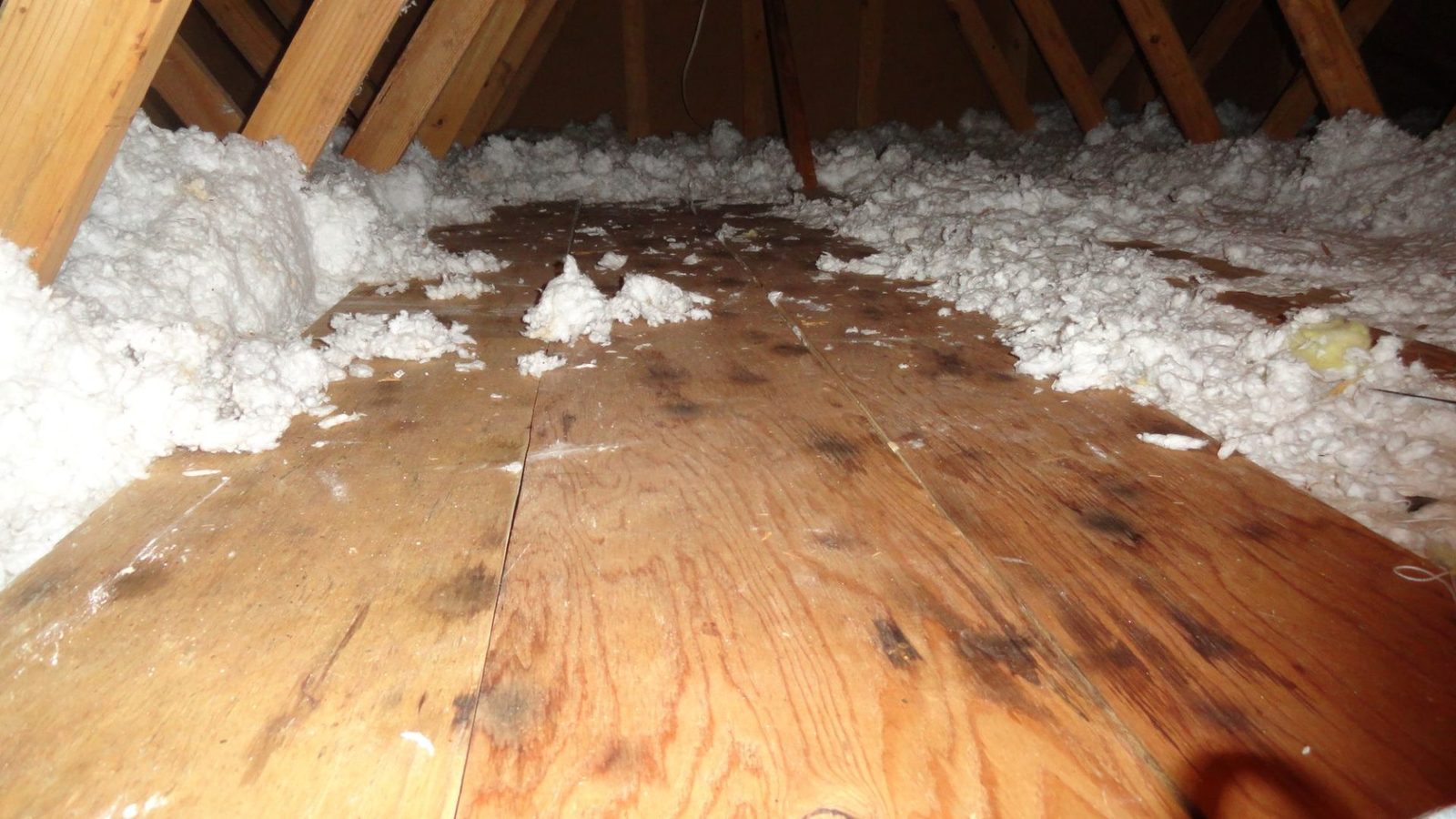
Why attic mold is so common in Maryland homes
Many homeowners rarely venture into their attics, assuming that if there are no visible ceiling stains in the bedrooms below, everything is fine. In reality, mold and mildew thrive in attic environments throughout the Mid-Atlantic region. Maryland's combination of humid summers, damp springs, and cold winters provides the exact moisture conditions fungi need to colonize wooden roof sheathing, rafters, and joists.
The primary causes of attic moisture buildup
Attic mold rarely stems from a direct roof leak alone. In most cases, it is caused by warm, moist indoor air escaping from the living quarters below into a poorly ventilated attic space:
- Improper bathroom exhaust venting: Bathroom exhaust fans that terminate directly into the attic rather than venting through the roof dump gallons of warm, moisture-laden shower air directly onto roof framing.
- Inadequate or blocked intake ventilation: Insulation blown over soffit vents blocks fresh outside air from entering the attic, choking off airflow.
- Missing or non-functional exhaust vents: Without a continuous ridge vent or adequate roof exhaust hoods, rising warm air becomes trapped near the roof peak.
- Air leaks through ceiling bypasses: Gaps around recessed light fixtures, plumbing chases, and attic access doors allow indoor humidity to migrate into the cold attic.
Health and structural consequences of attic mold
Mold feeds on cellulose found in wood roof sheathing and framing lumber. Over time, wood-decaying fungi soften structural rafters and weaken roof decking. Furthermore, your home operates like a chimney through the stack effect; air circulating in the attic is drawn down into living areas through HVAC ductwork and wall cavities, exposing occupants to airborne mold spores that trigger asthma, allergic reactions, and respiratory distress.
Identifying attic mold symptoms
Look for visible warning signs during your next attic inspection: dark black, gray, or white speckling across the underside of plywood roof sheathing, rusted roofing nails protruding through the deck, damp or compacted insulation, and a persistent musty, damp odor.
Permanent solutions for attic mold prevention
Remediating surface mold is only the first step; preventing its return requires fixing the underlying ventilation imbalance. Ensure all bathroom and kitchen exhaust ducts vent directly through dedicated roof hoods to the outdoors. Install baffles at soffits to maintain clear intake airflow, and install a continuous ridge vent system to exhaust warm, moist air naturally. A well-ventilated attic keeps wood dry and preserves your roof system for decades.
Professional roofing standards and manufacturer warranty protection
Adhering to strict manufacturer installation specifications is essential to keep shingle warranties fully valid. In Maryland, residential roofs endure harsh weather fluctuations, from winter freeze-thaw cycles and heavy snowpack to humid summer thunderstorms with high wind gusts. At On Top Home Improvements, owner Dan Cox and our experienced roofing specialists ensure every installation includes complete tear-off down to bare sheathing, inspecting plywood decking, installing self-adhering ice and water shield along eaves and valleys, applying aluminum drip edge, and installing continuous ridge ventilation for balanced attic airflow across Damascus, Frederick, Silver Spring, and Columbia homes.